


AI helps you iterate prompts

When you iterate prompts to AI it leaves a huge mess of changes. Humans are notorious for not updating comments and the documentation. This makes life harder for the next person which perversely is often the same person. Iterative prompts with an AI can make the mess even worse. Each revised prompt gets further and further from the original. Here is a workflow that both improves the results and reduces your work now and for the next person.
When working with AI you give it prompts, it returns a result, you repeatedly give it refining prompts until it gives you what you want. At that point there is a mess of revisions. Try this:
- Write a Requirements document prompt and save a copy. If you use version control like Git, add and commit this document as your first version. This is like writing the comments first.
- Use the Requirements document prompt with the AI. This is coding to match the comments.
- Review the results and interactively prompt small changes. This is test driven development (TDD).
- When you have a stable result, ask the AI to generate a single prompt to make the current result and translate it into markdown. This is the AI telling you how to talk to it. You & the AI updated the comments & documentation.
- Save the results and the new prompt Requirements document. Add and commit this to Git.
It is now easy to move forward, backwards, or even to a different AI “employee” to continue to ultimate success.
How to Measure Mitochondrial Performance
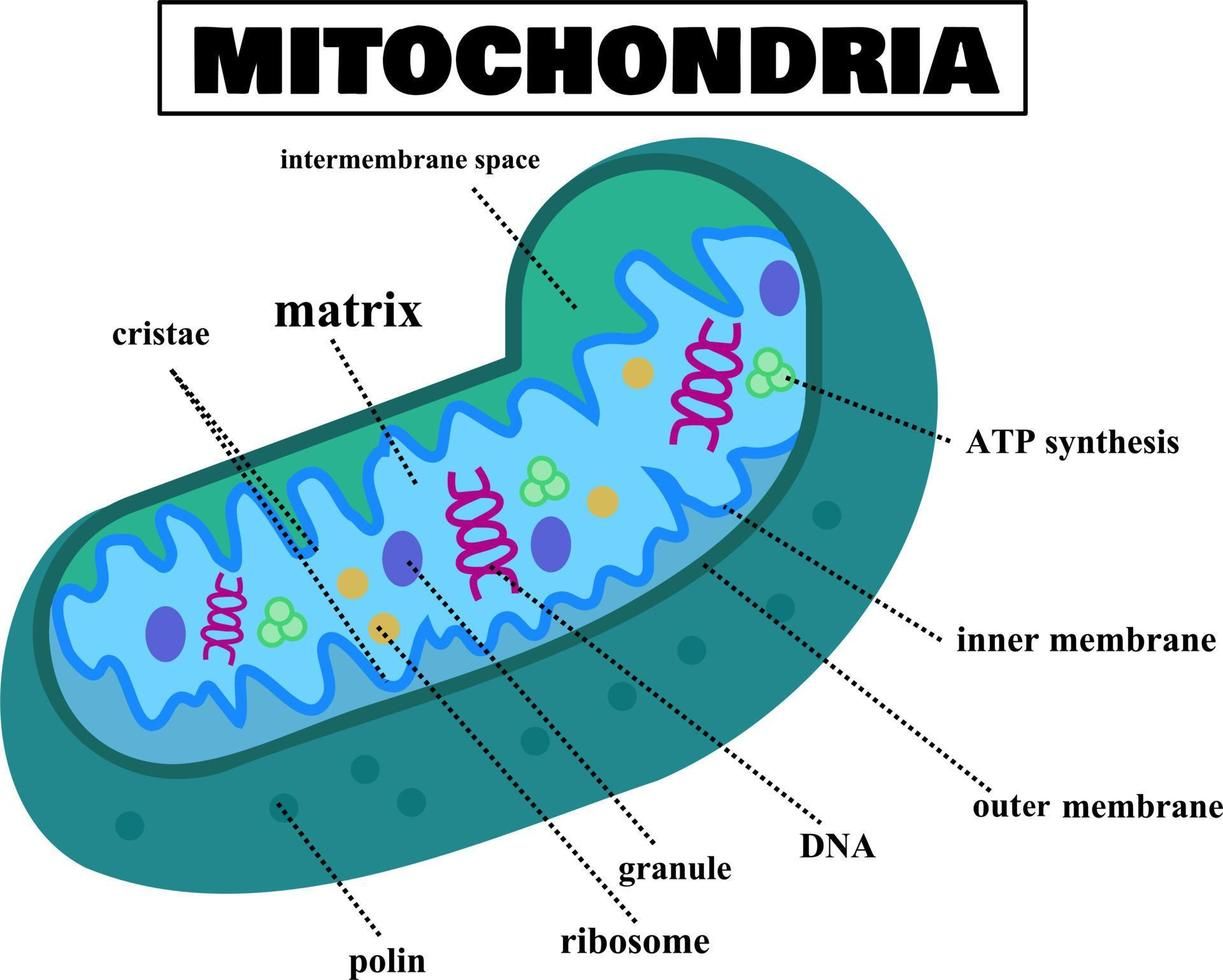
Measuring mitochondrial performance can reveal health outcomes before symptoms appear so that you can improve while it is easy. I’m posting this article to record my search results so I and other people can follow up confirming the information and make better discoveries.
Measure Mitochondrial performance
Mitochondrial performance can be measured using various assays that assess parameters like membrane potential, oxygen consumption, and enzyme activity. Common methods include fluorescence-based assays, high-resolution respirometry, and histochemical techniques to evaluate specific mitochondrial functions.
Methods to Measure Mitochondrial Performance
Common Techniques
| Technique | Description | Advantages | Drawbacks |
|---|---|---|---|
| High-Resolution Respirometry | Measures oxygen consumption rate (OCR) to assess mitochondrial function. | Direct measurement of function. | Requires specialized equipment. |
| Fluorescence-Based Assays | Uses fluorescent dyes to assess mitochondrial membrane potential and other parameters. | Real-time monitoring in live cells. | Some assays are not fixable. |
| Succinate Dehydrogenase Activity | Measures the activity of SDH, an enzyme in the mitochondrial membrane. | Provides insight into metabolic activity. | Requires specific conditions for accuracy. |
Specific Assays
| Assay Type | What It Measures | Fixable? |
|---|---|---|
| JC-1 Dye | Mitochondrial membrane potential | Some end-point assays are fixable. |
| Superoxide Detection | Mitochondrial superoxide production | Not fixable |
| Calcium Detection | Mitochondrial calcium levels | Not fixable |
| Mitochondrial Permeability Transition | Changes in mitochondrial permeability | Not fixable |
Considerations
- Cell Type: Different cell types may respond differently to assays, so it’s important to choose the right method based on the specific cells being studied.
- Dynamic vs. End-Point Assays: Dynamic assays provide real-time data, while end-point assays measure at a specific time, which may not capture transient changes.
These methods and assays provide valuable insights into mitochondrial health and function, essential for understanding various cellular processes.
Post Lyme Disease Syndrome
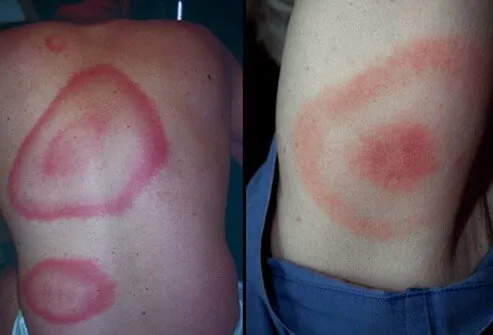
Antibiotics can cure disease but cause another. The treatment for Lyme Disease is doxycycline or amoxicillin.
People get sick after supposedly getting the cure for lyme disease but many suffer long term problems. If the antibiotic treatment cured the original disease, the antibiotics might cause the post treatment syndrome.
https://www.ncbi.nlm.nih.gov/pmc/articles/PMC7527730
A potential cure for Post Lyme Disease Syndrome could be restoring the biome. Think of it like surgeons treating an injury. The surgeon cut the patient to fix damage and then stitch up the wound after surgery. The same concept could be applied to drugs. Restoring the biome is the stitches.
 Predictive Innovation Training
 Predictive Innovation: Core Skills Book
 RoundSquareTriangle.com